
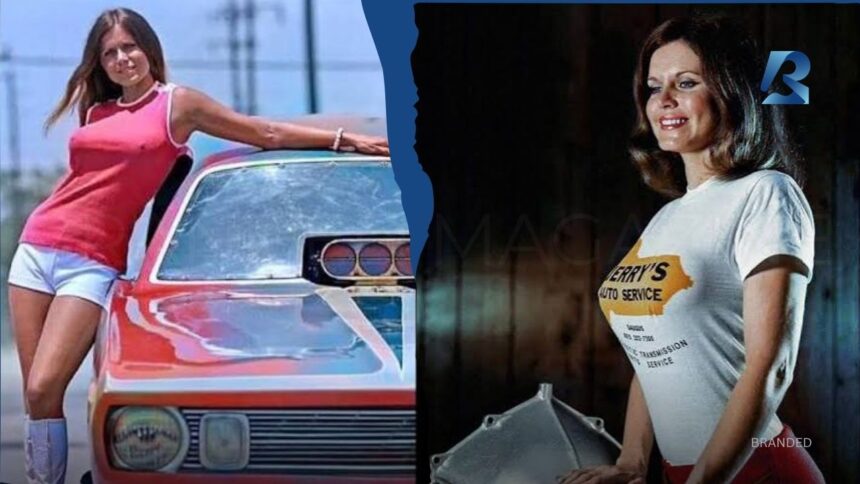
Barbara Roufs remains one of the most recognizable personalities associated with the golden age of American drag racing. Although she was not a driver or team owner, her presence at racing events helped define an important era in motorsport culture. During the early 1970s, drag racing expanded rapidly across the United States, attracting larger audiences and increasing media attention. Barbara became known as a popular trophy girl whose style, charisma, and confidence captured the spirit of the time. Decades later, racing enthusiasts continue to celebrate her contributions and remember her as a symbol of a unique period in motorsport history.
Interest in Barbara Roufs has grown significantly in recent years as vintage racing photographs and historical archives have become more accessible online. Fans of classic drag racing often search for information about her life, career, and influence on racing culture. While many people recognize her image, fewer know the details of her personal journey and lasting legacy. Her story goes beyond appearances at racing events and reflects broader changes in American culture during the 1970s. Understanding her life helps explain why she remains an enduring figure in the history of drag racing.
Quick Bio Barbara Roufs
| Attribute | Details |
|---|---|
| Full Name | Barbara Roufs |
| Known For | Drag Racing Trophy Girl |
| Birth Year | 1944 |
| Birthplace | California, United States |
| Nationality | American |
| Profession | Promotional Model and Trophy Girl |
| Industry | Motorsport |
| Active Period | Early 1970s |
| Famous For | Appearances at drag racing events |
| Public Recognition | Icon of drag racing culture |
| Legacy | Remembered in vintage motorsport history |
Who Was Barbara Roufs
Barbara Roufs was an American trophy girl who became widely recognized within the drag racing community during the early 1970s. At a time when motorsport events were evolving into larger entertainment experiences, trophy girls played an important role in promoting races and interacting with fans. Barbara stood out because of her distinctive appearance, energetic personality, and ability to connect with audiences. Her popularity grew quickly among racing enthusiasts who associated her image with the excitement and atmosphere of the sport.
Although her public recognition centered on drag racing, Barbara represented more than a promotional figure. She became a cultural symbol connected to the fashion, lifestyle, and attitudes of her era. Photographs from racing events frequently featured her, helping establish a lasting visual connection between her image and the golden age of drag racing. This enduring association has contributed to continued public interest in her story. Today, she remains one of the most discussed and remembered trophy girls in motorsport history.
Early Life and Family Background
Barbara Roufs was born in California in 1944 and spent her early years during a period of significant social and cultural change in America. California played an important role in the development of automotive culture, making it a fitting environment for someone who would later become associated with motorsport history. While detailed records about her childhood remain limited, her upbringing likely exposed her to the growing popularity of cars, racing events, and youth culture that defined much of the postwar era.
Family environments often influence personality, confidence, and personal interests. Although extensive information about Barbara’s relatives is not widely available, it is clear that she developed the qualities that later helped her succeed in public-facing roles. Her ability to engage with fans and maintain a memorable presence suggests strong interpersonal skills and self-confidence. These characteristics would eventually help her become one of the most recognizable personalities within the drag racing community during the height of her popularity.
Growing Up in California During the 1960s
The 1960s were a transformative decade in California, marked by cultural innovation, changing social attitudes, and a growing fascination with automobiles. Car culture became deeply embedded in everyday life, particularly among younger generations who embraced customization, racing, and automotive events. Growing up in this environment likely influenced Barbara Roufs and shaped her understanding of the vibrant culture surrounding motorsports. The popularity of racing events created opportunities for individuals interested in becoming part of the expanding automotive scene.
California also served as a center for fashion trends, music, and youth movements during the decade. These influences contributed to a distinctive cultural atmosphere that celebrated individuality and self-expression. Barbara’s later public image reflected many of these qualities, combining confidence, style, and a modern appearance that resonated with racing audiences. The social environment of California during the 1960s provided the backdrop for her eventual rise to recognition and helped shape the personality that fans came to admire.
The Rise of Drag Racing Culture

Drag racing experienced tremendous growth during the late 1960s and early 1970s, transforming from a niche motorsport into a widely popular form of entertainment. Racing events attracted large crowds eager to witness powerful vehicles competing at remarkable speeds. Tracks across the country hosted competitions that combined athletic performance with showmanship, creating exciting experiences for fans. This expansion helped establish drag racing as an important part of American automotive culture and opened new opportunities for promoters, drivers, and event personalities.
As attendance increased, organizers sought ways to enhance the overall experience for spectators. Promotional activities, sponsor involvement, and public appearances became increasingly common at major events. Trophy girls emerged as recognizable figures who contributed to the atmosphere and visibility of races. Barbara Roufs entered the scene during this period of rapid growth, benefiting from the sport’s expanding popularity. Her presence reflected the evolving nature of motorsport entertainment and the growing importance of promotional personalities within racing culture.
How Barbara Roufs Entered the Drag Racing Scene
Barbara Roufs became involved in drag racing during a period when trophy girls played a prominent role at racing events. These positions required confidence, professionalism, and the ability to interact with large crowds. Barbara quickly attracted attention because of her distinctive appearance and engaging personality. Her participation in events helped increase her visibility among fans and established her as a familiar figure within the racing community. Over time, she became closely associated with some of the most memorable moments of the era.
Her success within the drag racing scene reflected both timing and personal qualities. The sport was experiencing significant growth, and audiences were increasingly interested in the personalities connected to racing events. Barbara’s natural charisma made her particularly effective in promotional roles. Photographers frequently captured her image, and those photographs later became valuable historical records of the period. Her growing popularity demonstrated how influential public-facing figures could become within motorsports during the golden age of drag racing. explore more articles Who Was John Paul Sarkisian?
Becoming a Popular Trophy Girl
Barbara Roufs gained widespread recognition as a trophy girl, a role that involved presenting awards, representing sponsors, and interacting with fans at racing events. Trophy girls were often viewed as ambassadors for the sport, helping create positive experiences for attendees and contributing to the visual identity of competitions. Barbara excelled in this environment because she combined professionalism with an approachable and energetic presence. Her popularity grew rapidly as racing fans began to associate her with major drag racing events.
The visibility of trophy girls increased significantly during the 1970s because racing publications and photographers frequently documented their appearances. Barbara’s photographs stood out and were widely circulated among enthusiasts. Her image became closely connected to the excitement and glamour that many fans associated with drag racing during the period. This recognition helped elevate her profile beyond individual events and contributed to her lasting legacy. Decades later, many racing historians still regard her as one of the most iconic trophy girls in the sport’s history.
Barbara Roufs’ Unique Style and Public Image
One of the key reasons Barbara Roufs remains memorable is her distinctive style. Her appearance reflected many of the fashion trends popular during the early 1970s, including long hair, bold clothing choices, and a confident presentation. These characteristics aligned perfectly with the cultural atmosphere of the era and helped distinguish her from other promotional figures. Fans appreciated her authenticity and viewed her as someone who genuinely represented the energy and creativity associated with drag racing culture.
Her public image extended beyond fashion and included qualities such as confidence, enthusiasm, and approachability. These traits made her especially popular among spectators and photographers. Unlike many figures whose fame fades with time, Barbara’s image continues to resonate because it captures the spirit of a specific moment in motorsport history. Vintage photographs featuring her remain highly valued by collectors and racing enthusiasts. Through her style and personality, Barbara Roufs became a lasting symbol of drag racing’s most celebrated era.
Influence on Motorsport and Racing Culture
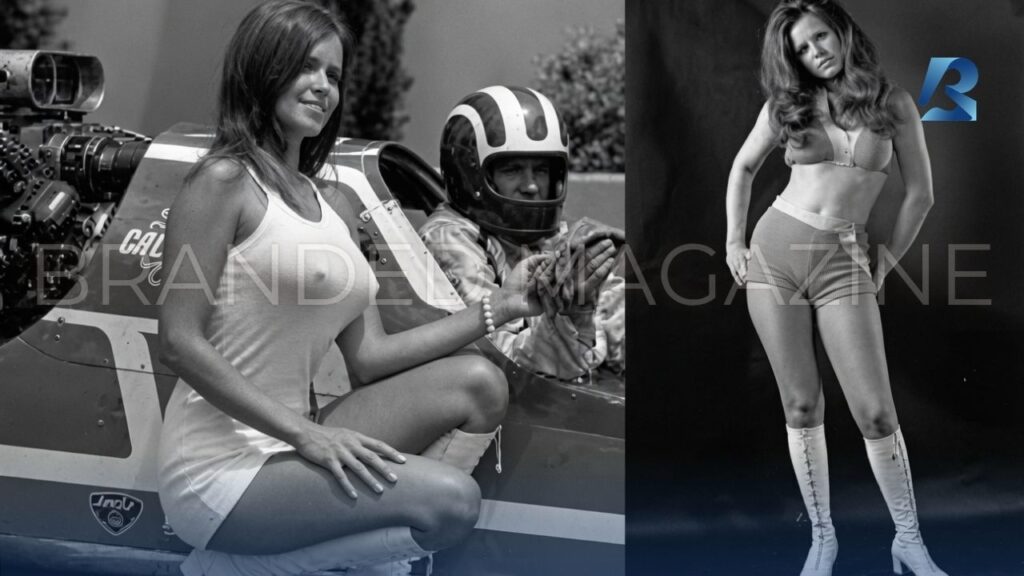
Barbara Roufs became an important figure in drag racing culture during a time when the sport was expanding its audience and developing a stronger public identity. Although drivers and teams remained the main attraction, promotional personalities helped create a more engaging experience for fans. Barbara’s presence contributed to the atmosphere that surrounded racing events and reflected the entertainment-focused approach many organizers adopted during the era. Her image became associated with the excitement, energy, and visual appeal that characterized drag racing in the early 1970s.
The influence of figures like Barbara extended beyond individual races. Their appearances helped shape how fans remembered events and contributed to the broader cultural identity of the sport. Photographs featuring Barbara continue to appear in historical collections, documentaries, and online discussions about classic drag racing. Her lasting popularity demonstrates how influential promotional personalities can become when they successfully connect with audiences. Through her role at racing events, Barbara helped leave a meaningful mark on motorsport history and fan culture.
Life Behind the Spotlight
While Barbara Roufs became well known within the racing community, much of her personal life remained private. Public attention often focused on her appearances at events, leaving relatively little information available about her daily experiences away from the spotlight. This balance between visibility and privacy was common among promotional figures of the era. Unlike modern influencers who frequently share personal details through social media, many public personalities of the 1970s maintained clear boundaries between professional and private life.
Maintaining privacy can be challenging when public recognition grows, yet Barbara appears to have navigated this aspect of fame with discretion. The limited information available about her personal activities has contributed to ongoing curiosity among fans and historians. People often want to understand the individual behind the public image, especially when that image becomes iconic. Barbara’s ability to remain somewhat mysterious has added another dimension to her legacy and continues to inspire interest decades after her time in the spotlight.
Family, Relationships, and Personal Life
Barbara Roufs valued her personal life and generally kept family matters away from public attention. While enthusiasts often focus on her contributions to drag racing culture, those who knew her recognized that she also maintained important personal relationships outside the racing world. Like many individuals connected to public events, she balanced public visibility with private responsibilities and personal commitments. This approach allowed her to participate in the excitement of racing culture while preserving meaningful aspects of her everyday life.
Information about Barbara’s relationships remains relatively limited, reflecting her preference for privacy. Historians and fans have gathered details through interviews, photographs, and personal accounts, but many aspects of her life remain known only to family and close acquaintances. This limited public record has encouraged continued interest in her story. The combination of public recognition and private living often creates lasting fascination, particularly when an individual becomes closely associated with an important period in cultural or sporting history.
Why Barbara Roufs Became a Fan Favorite
Barbara Roufs earned admiration from racing fans because she brought enthusiasm, authenticity, and style to every event she attended. Her ability to engage with spectators helped create memorable experiences and strengthened her connection with audiences. Fans appreciated her approachable personality and the positive energy she contributed to racing events. These qualities distinguished her from many other promotional figures and helped build a loyal following that continued to grow throughout her years in the drag racing community.
Her popularity was also influenced by timing. Barbara emerged during a period when drag racing was attracting larger audiences and receiving greater media coverage. Photographs of her appeared in racing publications and promotional materials, increasing her visibility among enthusiasts. Because she represented the spirit of the era so effectively, fans began to associate her image with some of the most exciting moments in the sport’s history. This strong emotional connection continues to explain why she remains a favorite among vintage racing enthusiasts today.
Challenges of Fame in a Changing Era
Public recognition often brings opportunities, but it can also create challenges. During Barbara Roufs’ time in the spotlight, cultural attitudes and expectations were evolving rapidly. Individuals who appeared prominently in public events frequently faced scrutiny regarding their appearance, behavior, and personal choices. Navigating these expectations required confidence and resilience, especially for women working in highly visible promotional roles. Barbara’s ability to maintain a positive reputation suggests she handled these pressures with professionalism and composure.
The drag racing industry itself was also changing as it became more organized and commercially focused. Increased sponsorship, media attention, and professionalization altered many aspects of the sport. Promotional figures had to adapt to new expectations while continuing to connect with fans. Barbara’s enduring popularity indicates that she successfully managed these transitions and remained relevant during a period of significant change. Her experience reflects broader challenges faced by public personalities working within evolving industries and cultural environments.
Public Interest in Barbara Roufs Today
Interest in Barbara Roufs has grown considerably in recent years, largely due to the popularity of historical racing content and vintage photography. Enthusiasts frequently search for information about her because they want to learn more about the person behind the iconic images. Online communities dedicated to classic motorsports often share photographs, stories, and discussions that highlight her role in drag racing history. These conversations have introduced Barbara to new generations of fans who may not have been familiar with her during her lifetime.
Modern interest in Barbara extends beyond nostalgia. Many people view her as an important cultural figure who represents a unique chapter in American motorsport history. Her image captures the fashion, attitudes, and atmosphere of a memorable era, making her story relevant to both racing enthusiasts and cultural historians. As archives continue to preserve and share historical materials, her legacy remains visible and influential. The ongoing fascination with Barbara Roufs demonstrates the lasting impact that memorable personalities can have on sports culture and historical memory.
Rare Photographs and Historical Recognition
One of the main reasons Barbara Roufs remains well known today is the collection of rare photographs that continue to circulate among motorsport enthusiasts. These images provide a visual record of drag racing during the early 1970s and capture the atmosphere of an exciting period in automotive history. Photographers documented races, drivers, spectators, and promotional figures, creating archives that later became valuable historical resources. Barbara’s distinctive appearance and charismatic presence made her a favorite subject for photographers covering racing events throughout California and beyond.
As interest in vintage motorsports has grown, these photographs have gained additional significance. Collectors, historians, and racing fans often share and discuss images featuring Barbara because they represent more than personal portraits. They serve as cultural artifacts that illustrate fashion trends, event promotions, and the overall spirit of drag racing’s golden era. Through these preserved images, Barbara continues to be recognized by new generations. Historical recognition has ensured that her contributions remain visible long after her active years in the racing community ended.
Her Lasting Legacy in Drag Racing History
Barbara Roufs occupies a unique place in drag racing history because she became one of the most recognizable non-competitive figures associated with the sport. While drivers earned recognition through victories and records, Barbara gained admiration through her ability to represent the excitement and personality of racing culture. Her role demonstrates that influential figures within sports are not always competitors. Sometimes the people who shape fan experiences and public perception leave equally important contributions to a sport’s legacy.
Her lasting influence can be seen in the continued appreciation shown by collectors, historians, and racing enthusiasts. Many discussions about vintage drag racing include references to Barbara because she symbolizes an era remembered for creativity, growth, and strong community engagement. Her image remains connected to some of the most memorable years in the sport’s development. This enduring recognition reflects the impact she had on audiences and explains why her story continues to be shared among people interested in motorsport history.
Remembering Barbara Roufs Decades Later
Decades after her appearances at racing events, Barbara Roufs remains a respected and admired figure among fans of classic motorsports. The passage of time has not diminished interest in her life or achievements. Instead, historical research, online archives, and enthusiast communities have helped preserve her memory. These efforts allow modern audiences to learn about her contributions and understand why she became such an important part of drag racing culture during the 1970s.
Remembering Barbara also involves recognizing the broader cultural significance of her era. She represented a time when motorsports combined competition, entertainment, and community participation in unique ways. Her story provides insight into the people who helped create memorable experiences for fans beyond the racetrack itself. Through photographs, personal recollections, and historical accounts, Barbara’s legacy continues to inspire appreciation for the individuals who contributed to the growth and popularity of drag racing throughout one of its most celebrated periods.
Conclusion
Barbara Roufs remains one of the most iconic personalities associated with the golden age of drag racing. Although she was not a competitor, her influence on racing culture was undeniable. Through her work as a trophy girl, she became a recognizable symbol of an era defined by excitement, creativity, and growing public enthusiasm for motorsports. Her distinctive style, approachable personality, and strong connection with fans helped establish a legacy that continues to attract attention decades after her time in the spotlight.
Today, Barbara’s story serves as an important reminder that sports history is shaped by many different contributors. Drivers, promoters, photographers, and promotional figures all play roles in creating memorable experiences for audiences. Barbara Roufs embodied the energy and spirit of 1970s drag racing, making her an enduring figure within motorsport culture. As enthusiasts continue exploring the history of the sport, her life and legacy remain valuable parts of the story, ensuring that her influence will not be forgotten.
Frequently Asked Questions
Why is Barbara Roufs famous?
She is remembered for her appearances at drag racing events and for becoming a symbol of the sport’s golden era.
Where was Barbara Roufs born?
Barbara Roufs was born in California, United States.
What was Barbara Roufs known for in drag racing?
She was known for serving as a trophy girl and promotional personality at major drag racing events.
When was Barbara Roufs active in motorsports?
She gained recognition primarily during the early 1970s.
Why do racing fans still remember Barbara Roufs?
Fans remember her because of her distinctive style, memorable photographs, and influence on drag racing culture.
Are there photographs of Barbara Roufs available today?
Yes, many vintage photographs featuring Barbara Roufs continue to be shared by collectors and motorsport history enthusiasts.
What is Barbara Roufs’ legacy?
Her legacy is that of a cultural icon who helped define the atmosphere and public image of drag racing during a memorable period in the sport’s history.
Stay More Update BRANDED MAGAZINE